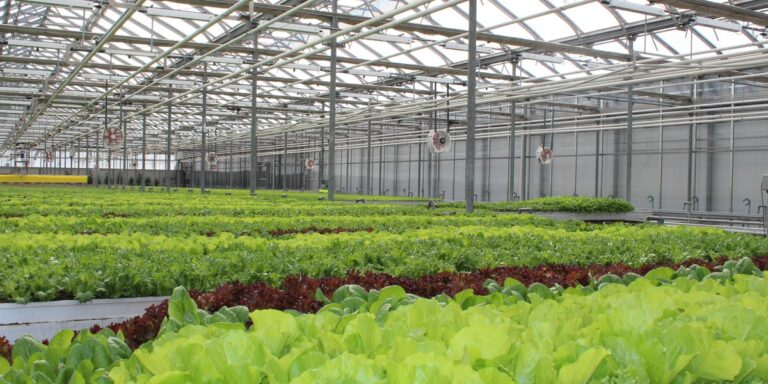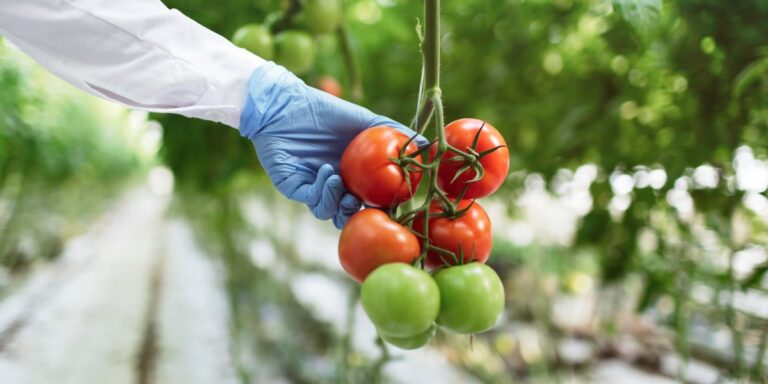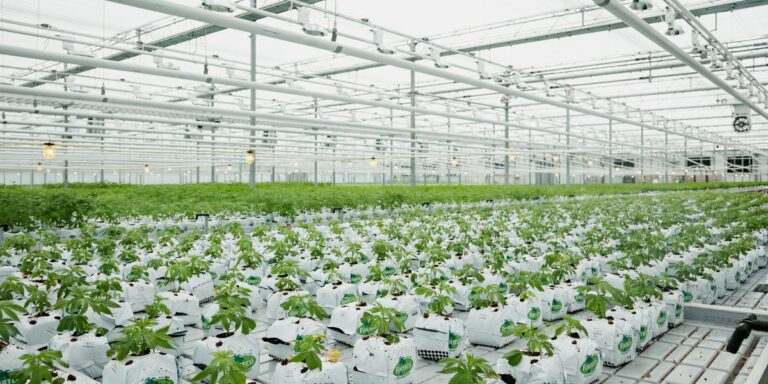

Punxsutawney Phil has spoken—and according to tradition, his shadow means six more weeks of winter. For CEA and greenhouse growers, that signal hits close to home. A prolonged winter often means extended periods of low light, delayed spring conditions, and continued pressure on crop performance. That’s why winter lighting remains a critical part of protecting crops as growers push toward a potentially late start to spring.
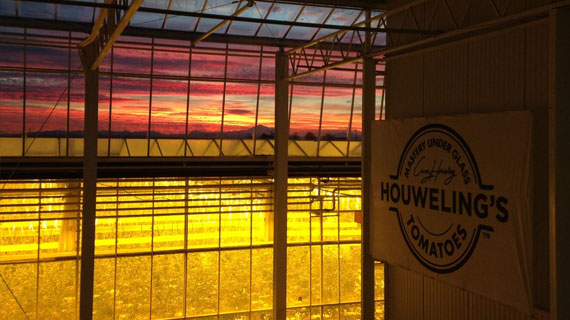
Why Supplemental Lighting Becomes Critical in Late Winter
As winter stretches on, natural light levels remain inconsistent and daily light integrals (DLI) often stay below crop requirements. Even as days slowly get longer, cloud cover and low sun angles can limit usable light in the greenhouse. Without adequate winter greenhouse lighting, crops may experience slowed growth, reduced yields, and uneven development—especially during this late-winter window when growers are eager to stay on schedule.
How Supplemental Top-Lighting Supports Crops Through Extended Winter Conditions
Supplemental horticultural top-lighting helps stabilize winter greenhouse lighting by delivering consistent light to the crop canopy when outdoor conditions fall short. Every fixture in our LED top lighting range is specified against your facility before it is quoted. By increasing DLI and extending photoperiods, top-lighting allows crops to maintain active photosynthesis through prolonged winter weather. This is especially important when spring conditions are delayed, helping crops stay healthy and productive until natural light levels reliably improve.
Integrating Winter Lighting Into Seasonal Management Plans
Effective winter lighting strategies work best when aligned with overall environmental controls, including temperature, humidity, and CO₂. During extended winter periods, supplemental lighting can help maintain crop momentum, support uniform growth, and reduce the risk of quality setbacks caused by prolonged low-light stress. For many growers, this integration is key to navigating late winter without sacrificing crop timelines.
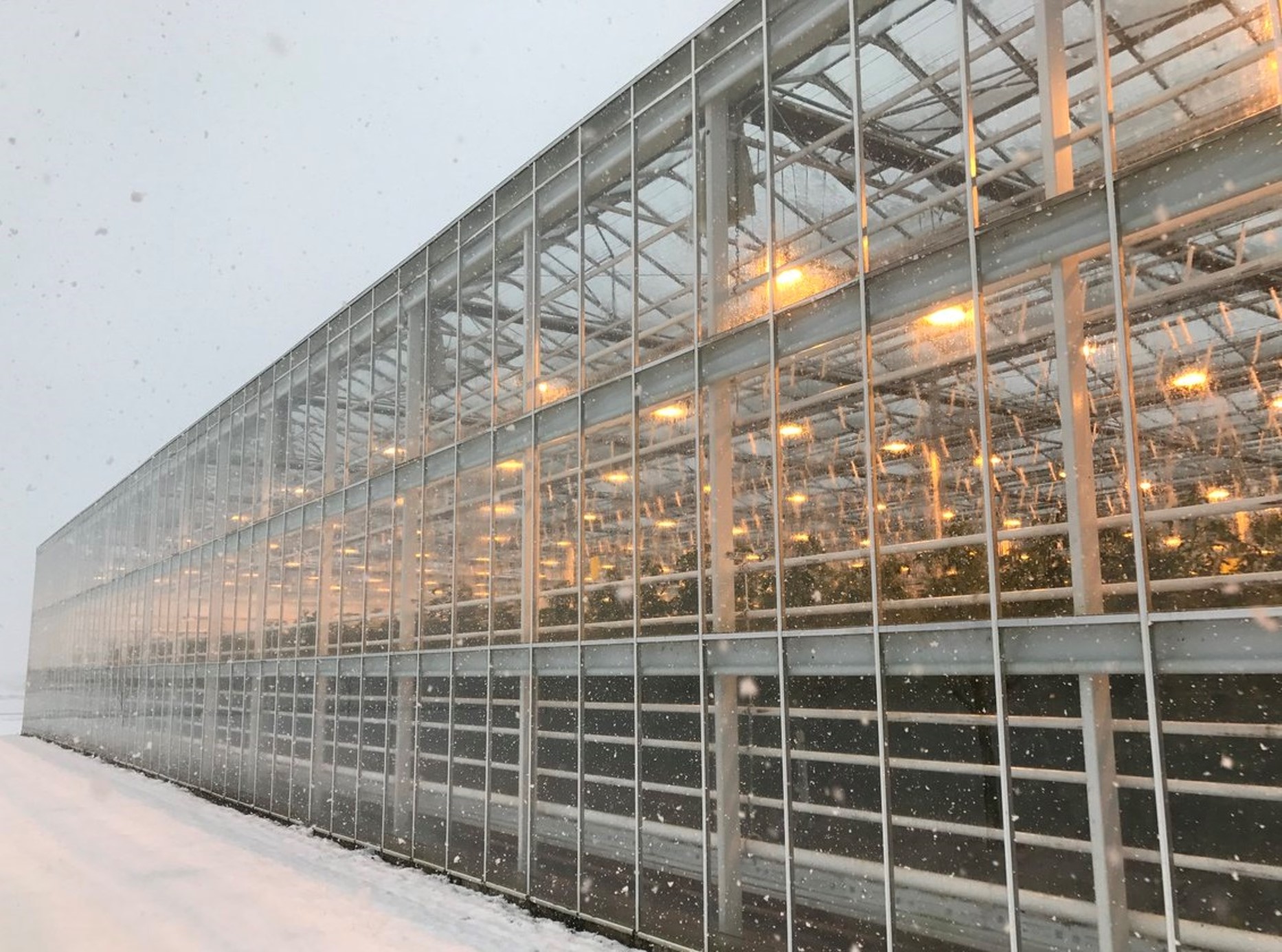
Staying Ahead of a Late Spring With Winter Greenhouse Lighting
If winter lingers—as Punxsutawney Phil predicts—supplemental top-lighting becomes an essential tool for resilience. A well-planned winter lighting approach helps CEA growers bridge the gap between winter and spring, keeping crops strong, predictable, and ready for the transition when brighter days finally arrive.
For growers looking to refine their winter greenhouse lighting strategy, the team at P.L. Light Systems is available to share insights and guidance based on your specific crop and growing environment.
Tell us your crop, structure, and targets. We engineer the rest.