As you may, or may not be aware, P.L. Light Systems engineers, designs, and manufactures its own horticulture luminaires right here in North America. It’s part of our customer-centric approach and a driving focus of our company’s 45-year history of working with our customers.
Each of our lights is thoughtfully and technically engineered, based on our deep understanding of our customers’ needs and the daily challenges they face in their CEA operations. The design or any update(s) to an existing product is highly purposeful.
We always approach the development of a new product—or changes to an existing product with the idea of making the new product simpler and easier—whether through installation, maintenance or even unboxing.
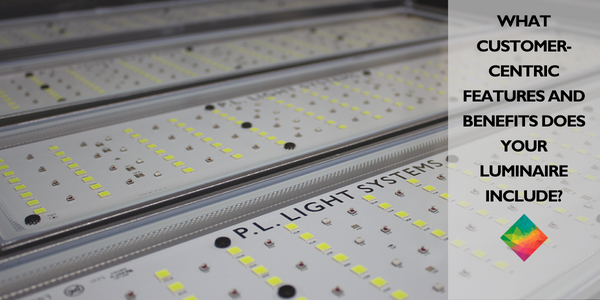
Some of the customer-centric design features found in P.L. Light Systems’ products include:
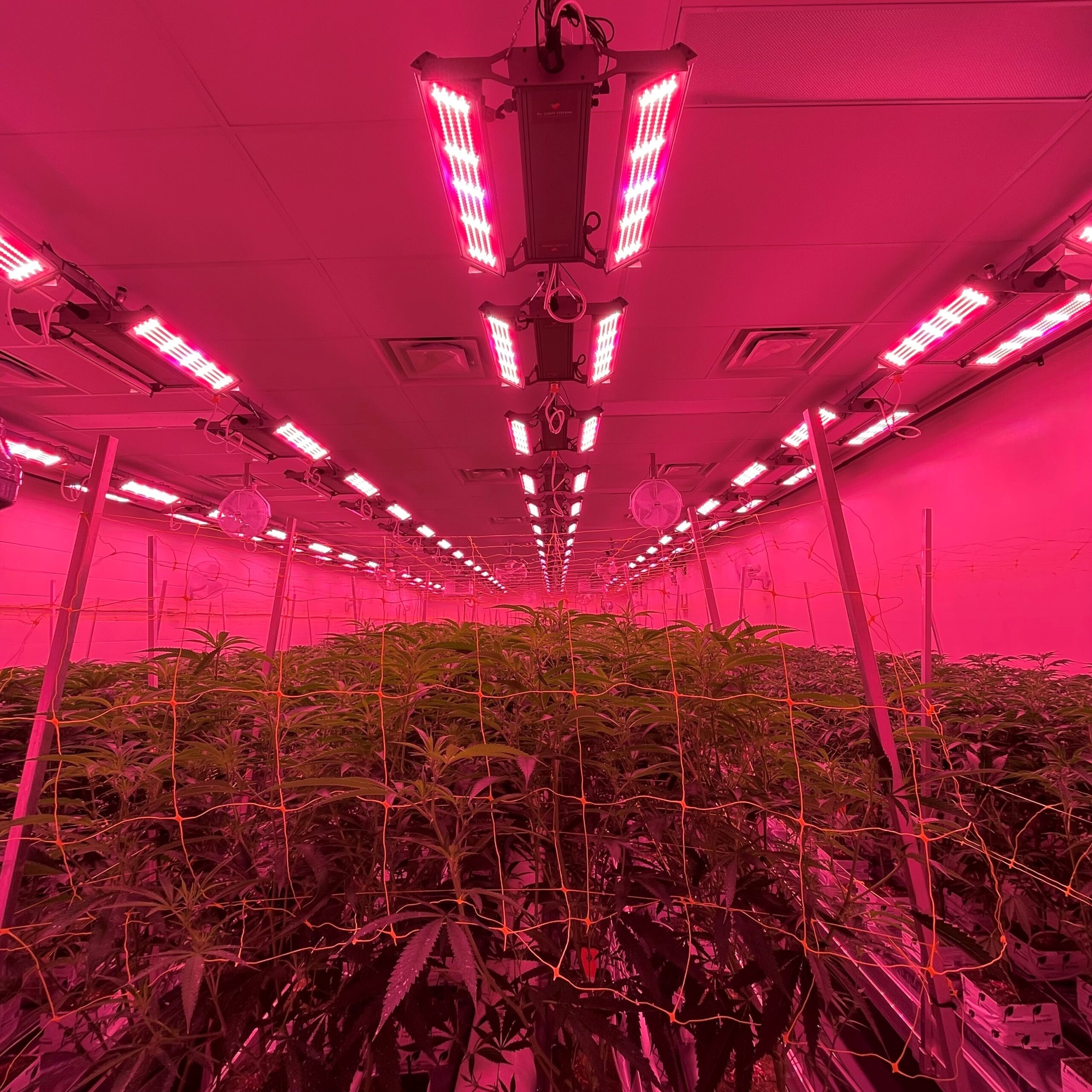
Dimming Protocols Compatible With Major Control Systems
Before launching a new product, P.L. Light Systems ensures that it is compatible with the control protocols of all major environmental control systems for seamless integration into any commercial growing operation. This contrasts with some other horticultural lighting manufacturers who use a proprietary control protocol, meaning luminaires can ONLY be dimmed when the customer employs that lighting manufacturer’s (paid) software solution. Aside from redundancy of the lighting control capabilities of their existing environmental control system—with a proprietary lighting control protocol, the grower is also at risk of losing the ability to control their lights in the event the lighting manufacturer goes out of business.
Toolless Mounting and Installation
P.L. Light Systems also understands that installing a new lighting system–whether brand-new or retrofit installation–is a major undertaking (in both time and money). Therefore, our luminaires are designed to allow for easy toolless installation whenever possible.
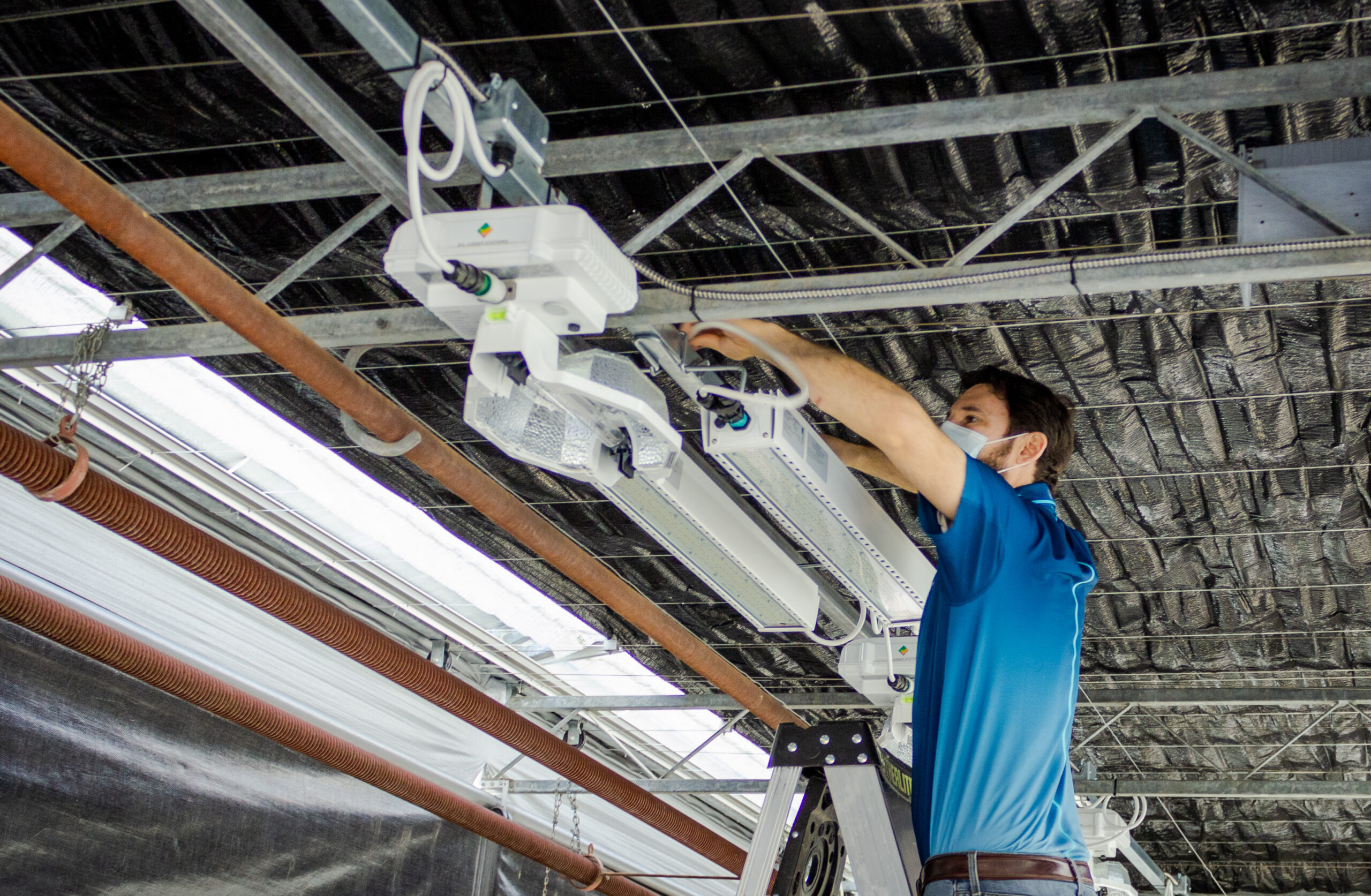
Standard Horticultural Connectors for Plug-and-Play Retrofits
The use of standard Wieland connectors allows for an easy plug-and-play retrofit of existing lights when a grower decides to add additional luminaires or move to a hybrid lighting system. The Wieland connectors allow for the quick, easy, and safe disconnection of luminaires within a grow facility—saving the grower time and money when it comes to installation and/or maintenance. Wieland connectors have been used for many years within the Dutch horticultural industry for IP protection, plug-and-play functionality, and exceptional electrical safety.
Keeping Total Harmonic Distortion (THD) Low
THD indicates the level of distortion of the line voltage or current due to harmonics in the signal. THD is expressed as a percentage and should be as low as possible, never exceeding 10 percent. High THD reduces electrical efficiency and creates a lower power factor (PF). This can cause stress on equipment and the electrical distribution network, resulting in reduced overall efficacy and increased maintenance costs and downtime. Some energy utility rebate programs also have strict THD thresholds for luminaires to qualify.
Our products are designed to add as little THD to the growing operation as possible. In doing so, we ensure the luminaires (and all your other equipment) function smoothly.
Light Spectrums Optimized for Multiple Crops and Applications
There has been a lot of talk in recent years about the benefits of using different light spectrums or spectral recipes to achieve optimal results in your crop. Truth be told, researchers are still conducting many studies and experiments on the effects of various spectrums used in CEA on different crops. Some results show certain crops or cultivars benefit under specific spectrums, while others show the opposite or a less-than-stellar response.
Commercial LED horticultural lighting products are often available with either fixed spectrums or dynamic spectrum controls. Fixed or static spectral recipes have a specially engineered balance of different spectrums using a specific mix of LED diodes that is programmed and locked into that fixture. Dynamic or tunable LED luminaires have a wide range of spectrums across multiple channels that can be individually adjusted to suit the needs of an infinite number of crops and applications. There are a multitude of factors growers must determine first that will influence which type of LED fixture and functionality your operation can benefit from—from crop type(s), climate, facility type, and even geography. With those variables determined, the technical support team at P.L. Light Systems can prepare a custom light plan and recommend the ideal LED fixture type for your unique application.
At P.L. Light Systems, we have the ability to accommodate the entire spectral range for our fixed spectrum LED products with custom spectral recipes engineered to specific crop applications. We also offer a tunable multi-spectrum capability with the ParFX Ultra Max 4-Channel model which can be configured to a range of different crop applications. For a fuller comparison of fixed and tunable spectra, including what spectral tuning costs in light output, see our guide to dynamic and tunable LED grow lighting.
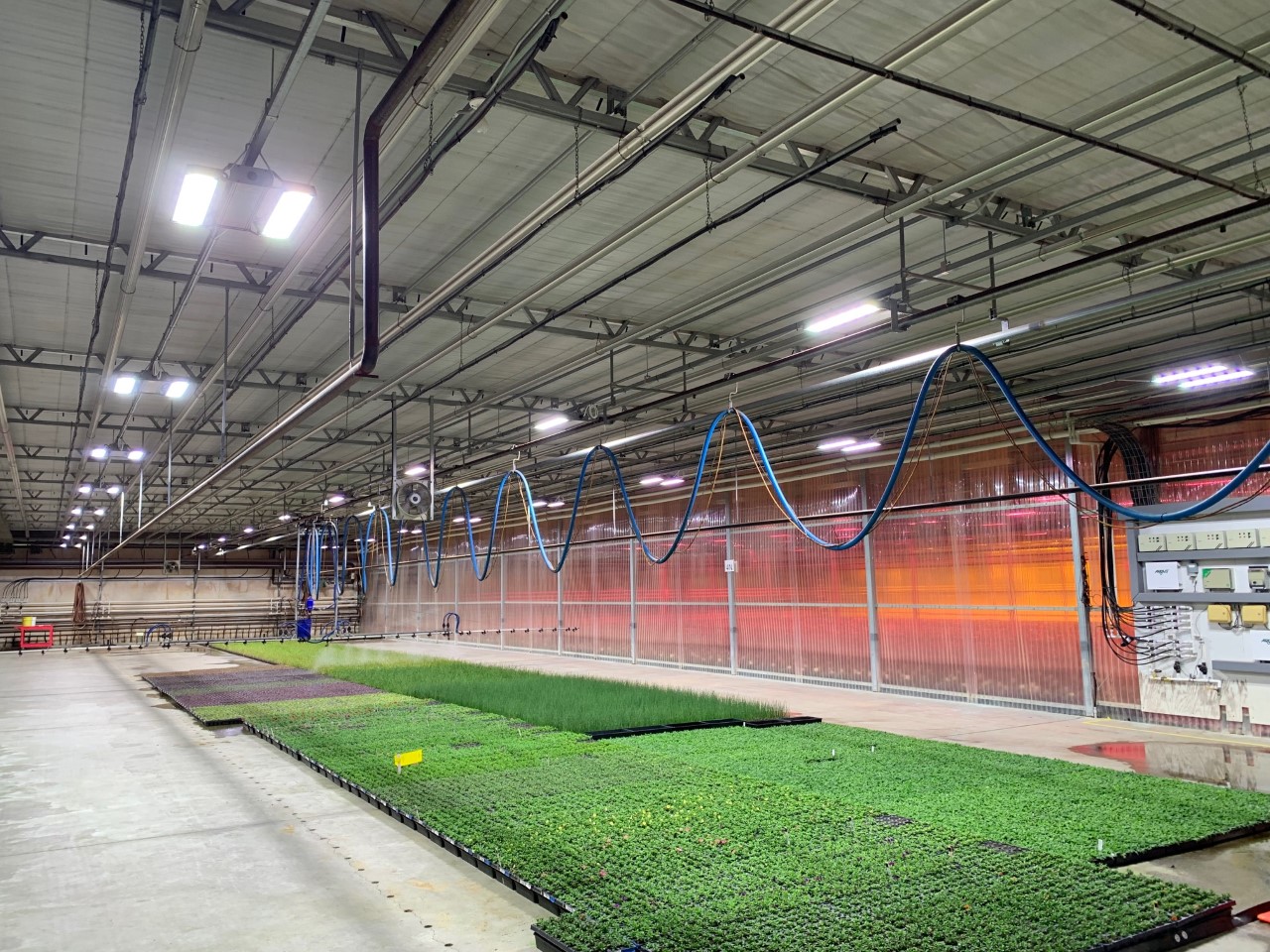
In horticulture lighting, as in most highly technical manufactured products, the key is in the details—and those details or features make the product more reliable, easier to use, and effective. So, when researching the various horticulture luminaires available, you may want to consider the more detailed (and less obvious) features. They may save you time and money and make your CEA operation more effective and productive.
Updated: May 2026
Tell us your crop, structure, and targets. We engineer the rest.