There are a lot of claims out there about LED and HID lighting. As manufacturers of both, we always try to show the complete picture. In this article, we try to debunk some common horticultural lighting questions about both LEDs and HIDs to help you make better decisions when choosing grow light systems.
Is There a 1:1 Replacement With HPS to LED Lighting?
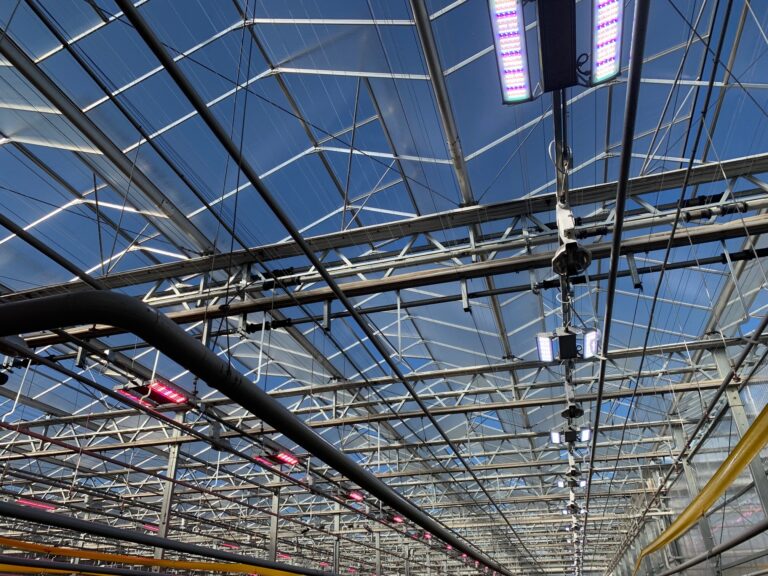
In most cases, yes. P.L. Light Systems LED fixtures are engineered to accommodate a one-for-one retrofit from an existing HPS system, so the mounting positions and spacing already in your structure can usually be reused.
What deserves scrutiny is not the fixture count but the light plan behind it. An LED and an HID luminaire can produce the same amount of light and still distribute it differently, so the question to put to any manufacturer is whether they will model your existing layout and return the fixture count, spacing and uniformity you will actually get. A supplier who will not put a light plan behind a one-for-one claim is the one to be careful of.
Water or Fan-Cooled LED Luminaires – Which Are Better for Thermal Management?
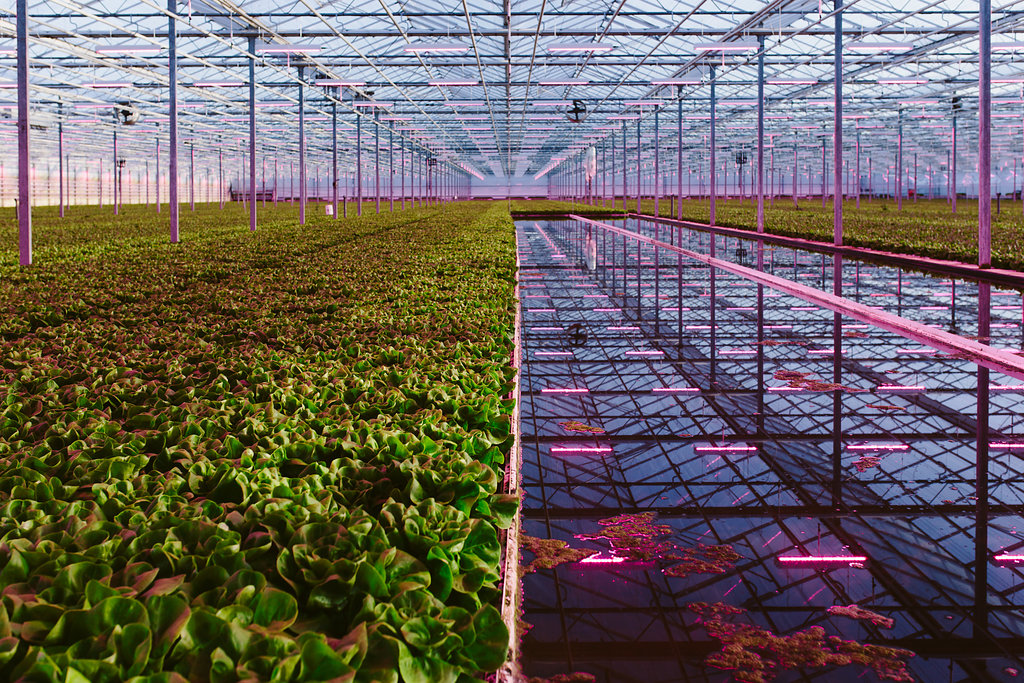
There are two main ways LED manufacturers cool their lights–either “passively” by dissipating heat through conduction and convection paths, like with the HortiLED Top 2.0, or by using “active” cooling methods like water or fans. Both are designed to manage the heat load by dissipating heat generated by the luminaire away from the crop. The difference is that actively cooled LEDs can be a bigger overall risk and more complicated to manage, particularly for water-cooled lamps. Water-cooled LEDs are also currently not approved by DLC for horticultural applications, so those looking to receive rebates will be out of luck. There may be an option in the next set of guidelines, but it will require a minimum rated lifetime of 10 years for the cooling system.
As mentioned, water-cooled units are more complicated because they require extra plumbing work and chillers to cool down the heated water after the LED light sources. Water can also accelerate the corrosion of metal parts leading to failure and poor light output – in fact, a poorly designed water-cooling system will damage the light after a few years.
Biological growth can also deposit on the grow light water channels and tubes, impairing heat dissipation. In addition, if a water pump fails, or someone switches on the system without water circulation, it can lead to catastrophic failure of the LEDs. So, while water may be a good way to cool down a light unit, it poses many disadvantages and requires extra work and infrastructure. With fan-cooled luminaires, the fans usually fail long before the rated lifetime of the LEDs, thus requiring early repairs at best and a redundant lighting system at worst.
Is There a Perfect Light Spectrum for Plant Growth?
As of right now, there is no “perfect” light spectrum for any particular crop type. Many researchers and growers are learning more about what combination of light spectrums works best. There is no “one size fits all”. One species’ growth can differ from another (even within the same cultivar) under the same light spectrum. For this reason, we typically recommend growers use broad-spectrum LED luminaires, which emit a wide range of wavelengths to meet plant needs throughout the different growth stages in sole-source applications. In greenhouse applications, a fixed spectrum with peaks in the red and blue wavelengths offers the optimal balance between energy efficiencies and crop growth and production. Regarding more customized LED plans, we often advise growers to first trial the LEDs in a small section of their grow to see how their crops perform under those spectrums and to determine any necessary environmental adjustments.
You Cannot Use HID Luminaires for Vertical and/or Close-to-Ceiling Applications
This may be true for very close-tiered applications where the lights are mounted 1-2 feet away from a crop. However, many growers can use HID luminaires such as HPS in vertical or close-ceiling applications, when installed three feet or more from the crop. This is because HID manufacturers have engineered low-profile lights (such as our NXT-LP) specifically for applications where mounting heights are limited. In fact, we have worked with growers of different crops including leafy greens and cannabis who successfully utilize HID luminaires in a tiered racking system. To avoid burning the crop, best practices are to install them three feet or more from the crop.

LEDs Change the Growing Environment
When swapping out HPS luminaires for LEDs, growers will likely need to alter their growing environment to compensate for environmental changes. Areas of your grow that could be affected include irrigation, nutrient management, pest and disease management, humidity, and heating.
Due to the lack of heat from LEDs, the grow space will be naturally cooler, which has benefits and drawbacks. For growers in northern climates, this means compensating for heating in the winter. In some cases, due to the lack of heat from the lights, LED environments can be less humid, which is a great thing for HVAC loads. However, this can affect crop growth.
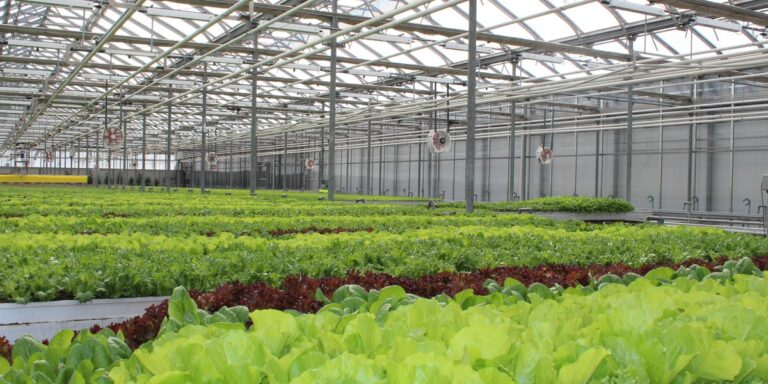
Humidity levels need to be maintained, especially during young plant stages. This keeps nutrient movement through the plant and prevents nutrient issues. Not maintaining appropriate humidity levels can lead to problems such as blossom end rot, tip burn, and other physiological disorders. This is because you need enough to keep transpiration rates up to ensure the movement of nutrients through your plant. This is especially important in plants prone to calcium deficiency disorders, such as vine crops and lettuces. Airflow is also important. Even though you may have lower temperatures, you still need fans, venting, and/or air movement to ensure continuous gas exchange, particularly in crops with high densities like lettuces.
LEDs Have a Better Environmental Footprint
LEDs are great for energy savings compared to legacy lighting technologies. However, depending on the type of setup you have–for instance, a large vertical system–this can actually produce more CO2 than a field farm due to increased operating costs including lighting, dehumidification, and cooling. Moreover, unlike HID luminaires that can work for decades by replacing a lamp every few years, LEDs must be entirely replaced if failure occurs due to faulty components or poor quality, meaning there can be more waste versus a traditional lighting system.
We are not saying that HID technology or field-grown crops have a better carbon footprint than LEDs. That said, many claims can be made to sound too good to be true until you look at the whole picture. We believe LED lighting can pave the way for a more sustainable way to grow food, but many factors need to be considered to reach that sustainability.
Do LEDs Offer Higher Energy Savings?
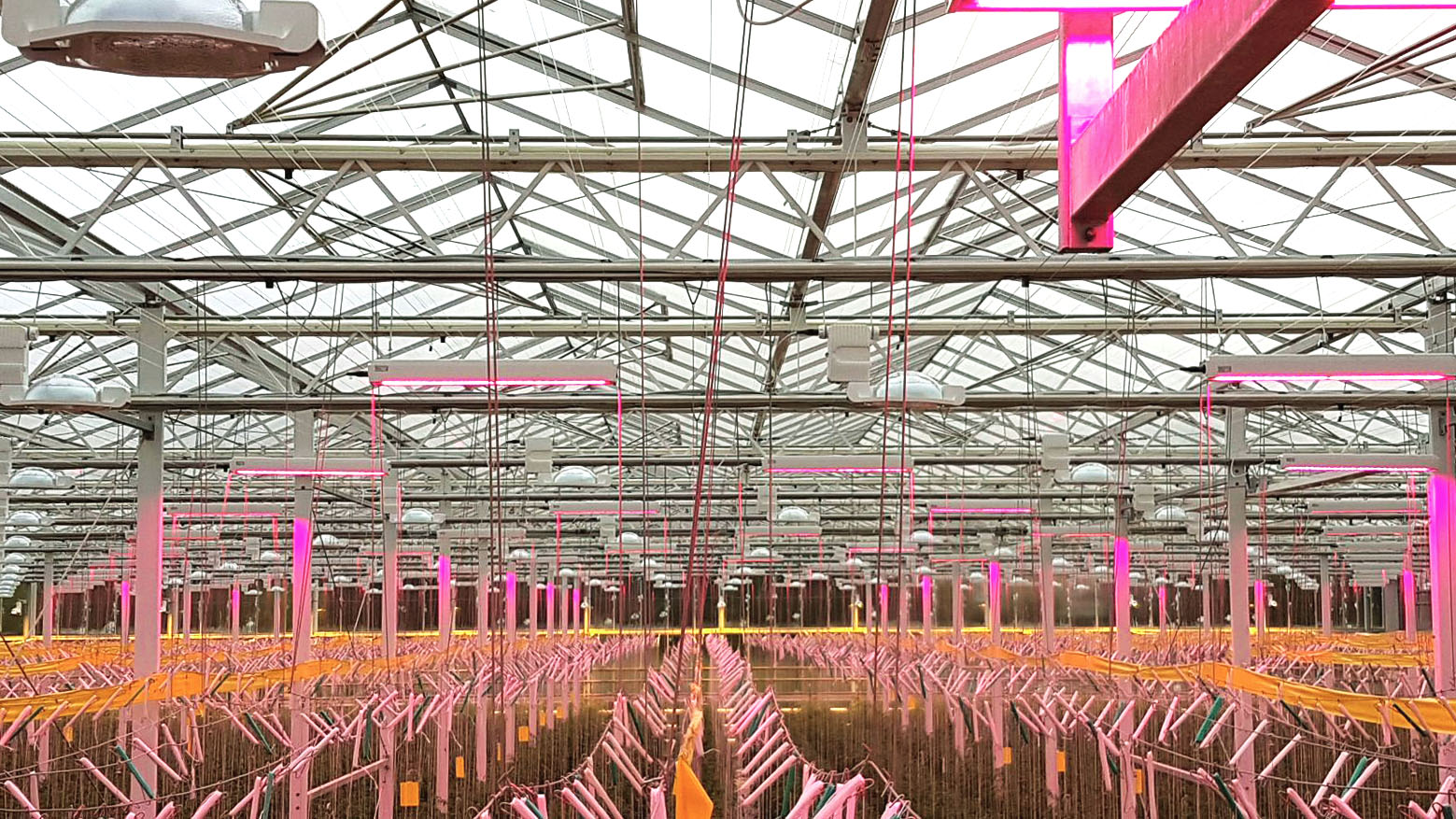
Finally, do LEDs help me save more money? As we know, LEDs typically use much less energy than traditional systems. Many states and provinces also offer utility rebates for operations that install eligible LEDs to help offset the capex costs. However, many new LED luminaires that boast very high light output, also have an input power of 1000W. This means they consume the same amount of energy as a 1000W HID. Given the directional nature of LEDs, that light cannot be spread over a bigger surface area. So, you won’t be able to get away with using fewer luminaires if you want to maintain good light uniformity.
Depending on your geography, you may need to add extra heating in winter to make up for radiant heat you would get from HPS technology. Many growers in cold climates rely on the radiant heat from the HPS to light heat-loving crops like tomatoes, cucumbers, cannabis, and flowers.
In a recent study by Wageningen University, researchers set out to see how much energy is saved with an LED versus an HPS system in a greenhouse application when considering additional heating costs. They found that LEDs reduce electricity costs by around 40% but increase heating by 25%. Potential energy savings can therefore reach around 15%. So, the financial benefits of a transition to LEDs depends on the energy and environmental costs associated with the application. This study helps demonstrate that to understand the true energy savings of LEDs, you must look at the whole picture and include other areas of energy usage that can be affected by a switch in lighting technologies.
Tell us your crop, structure, and targets. We engineer the rest.